
Bryan County Parole Versus Probation
Parole and probation both allow a person to live in the community under rules, but they begin in different ways. Parole is a conditional release from incarceration for the balance of a sentence. Probation can result from a suspended sentence or deferred disposition and may begin without the person serving an ODOC prison term. A Bryan County defendant who posts bond is not on probation merely because the jail released that person. Likewise, a person who finishes a short county-jail sentence is not automatically on parole.
The Oklahoma Pardon and Parole Board handles parole consideration and records its action. ODOC Probation and Parole Services handles day-to-day community supervision. The court docket remains vital for probation because the judgment, deferred sentence, suspended term, and later revocation filings appear there. Each source has a limited role.
| Point | Parole | Probation |
|---|---|---|
| How it begins | Conditional release from prison | Court-ordered community sentence or deferred case |
| Key decision source | Pardon and Parole Board materials plus required executive action | Bryan County court judgment and docket |
| Community supervision | ODOC Probation and Parole Services | ODOC Probation and Parole Services when assigned |
| Best status check | ODOC record, board result, then office confirmation | Case docket, ODOC record, then office confirmation |
- Parole
- Conditional community release for the unserved part of a prison sentence.
- Probation
- Court-ordered supervision that may accompany a suspended or deferred sentence.
- Discharge
- The formal end of a sentence or supervision term in the record's own context.
- Absconder
- A person alleged to have stopped reporting or otherwise left supervision without approval.
Check Bryan County Supervision Records
Begin with identity, not a status label. The ODOC offender lookup accepts an Oklahoma DOC number or name-based information. Its current form also offers date of birth, alias data, and similar-sounding-name options after a disclaimer and reCAPTCHA. Compare the photograph, descriptors, offense court, and ODOC number before relying on a result. A county jail booking that never became a state corrections case may not appear.
- Search the ODOC record by DOC number when it is known. Otherwise use the full name and narrow the match with date of birth.
- Open the matching record and copy the exact status words. Community supervision, parole, discharged, fugitive, and incarcerated are not interchangeable.
- Search the Bryan County court case through ODCR or OSCN. Read the judgment, suspended or deferred term, revocation filings, and discharge entries.
- For parole, check the Pardon and Parole Board docket and results for the correct month. A favorable board action is not the same as physical release.
- Call the ODOC office that serves Bryan County and ask what status can lawfully be confirmed. Record the source and the time of the check.
A released person may still owe a supervision term. Conversely, a person released on bond may have no ODOC supervision at all. For the county custody record that establishes when the jail's control ended, use the Bryan County released-inmate search path and request the sheriff's jail-register entry.
The Oklahoma Sex and Violent Offender Registry is a separate, narrow channel. A listing may confirm that a qualifying person has a current registration record, but it does not establish parole, probation, or the date of release from Bryan County Jail. Most released people have no duty to appear there. A no-result cannot settle the supervision question.
For a recent custody change, OK VINE can supply a status notice from a participating agency. Read the facility and event language. Transferred does not mean discharged, and a notification does not explain a probation order or parole term. When records disagree, ask ODOC and the court for the dated source rather than choosing the result that seems most recent.
Note: A roster disappearance proves neither parole nor probation; the ODOC record and court judgment identify the authority for supervision.
Bryan County Supervision Office Details
The current ODOC office directory places the office serving Bryan County in Durant. Yet its phone field is labeled for the Hugo P&P Office. An older official attachment gave a different Durant number, so the two numbers should not be silently combined. Use the current directory entry and confirm the location before travel.
120 S. 5th St., Suite 100
Durant, OK 74701
Current directory phone: 580-326-3391
Directory label: Hugo P&P Office
Service area: Bryan County
The office can clarify the assigned reporting location and information that may lawfully be released. It does not replace the court clerk for a certified judgment or the sheriff for a Bryan County Jail release record. Before visiting, call the currently published number and confirm hours, suite access, and whether the person is served there.
The official directory view shows the office structure used for local routing.
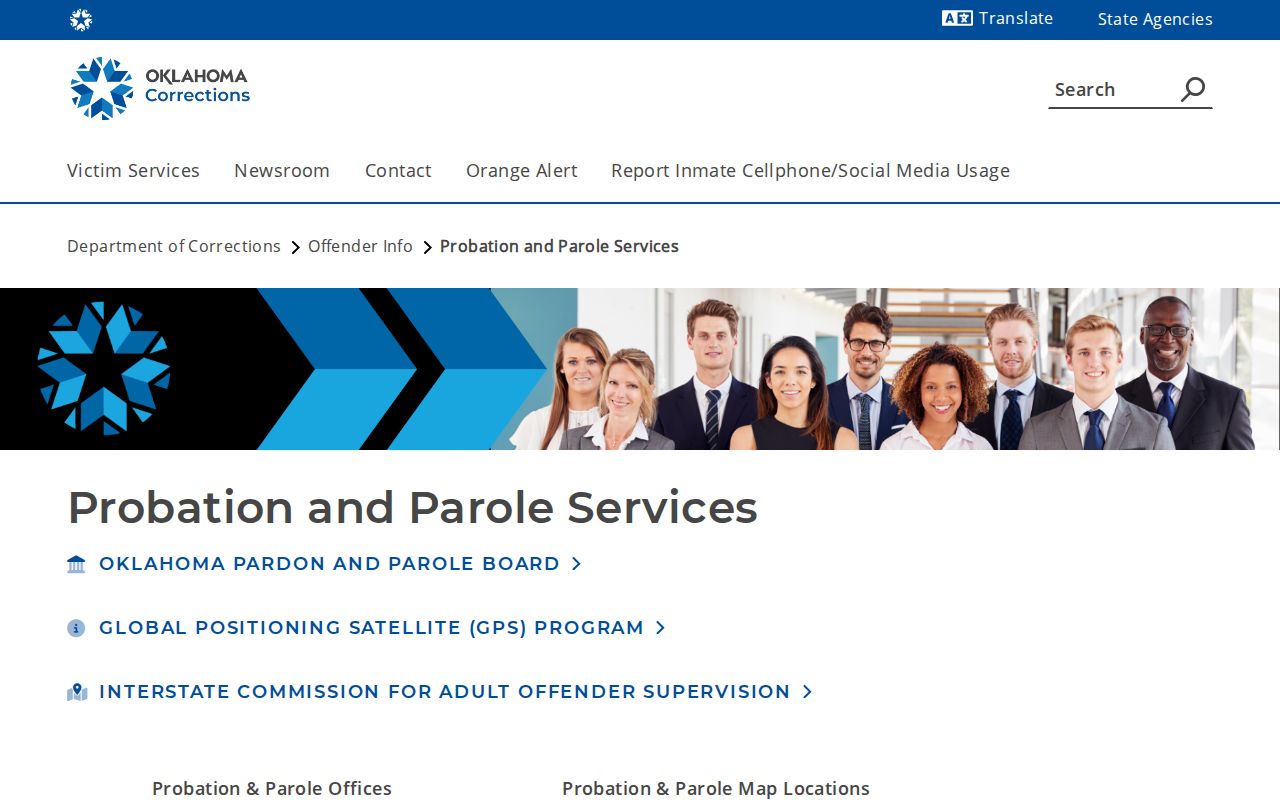
The screenshot is a routing aid. Current phone labels and hours should still be checked before an in-person visit.
Bryan County Absconder Status Checks
An absconder or fugitive flag generally means an alleged failure to remain in contact or comply with supervision. It does not show that supervision ended. ODOC provides a fugitive-filtered search through the same offender system, subject to its disclaimer and reCAPTCHA. Confirm a possible match with ODOC and law enforcement because names, status changes, and data timing can create errors.
Common supervision rules can involve reporting, approved residence or travel, treatment, payments, and conduct ordered in the case. The exact conditions come from the person's signed documents and court or ODOC record, not a general list. A claimed violation may lead to a warrant, revocation process, or return to custody. Only the responsible agency and court can confirm the current step.
OK VINE may report a later custody change if a participating jail or prison takes the person into custody. It is a custody notification tool, not a supervision-compliance database. A VINE alert therefore cannot establish why the person was arrested or whether a violation was sustained.
Bryan County Most Wanted Limits
The Bryan County Sheriff's Most Wanted page is a separate lead. It warns that its information may lag routine updates and should not be relied upon for legal action. During the county research, the page also said the list was being updated. Those cautions matter because a stale listing may not reflect a cleared warrant, a new warrant, or the present supervision status.
Never approach a listed person. Compare identifiers, then contact the sheriff or ODOC. The most-wanted page cannot prove that someone is a parole absconder, a probation absconder, or currently wanted on a particular case. The warrant source and supervising agency must say that.
The official warning and update status are visible in the captured page.
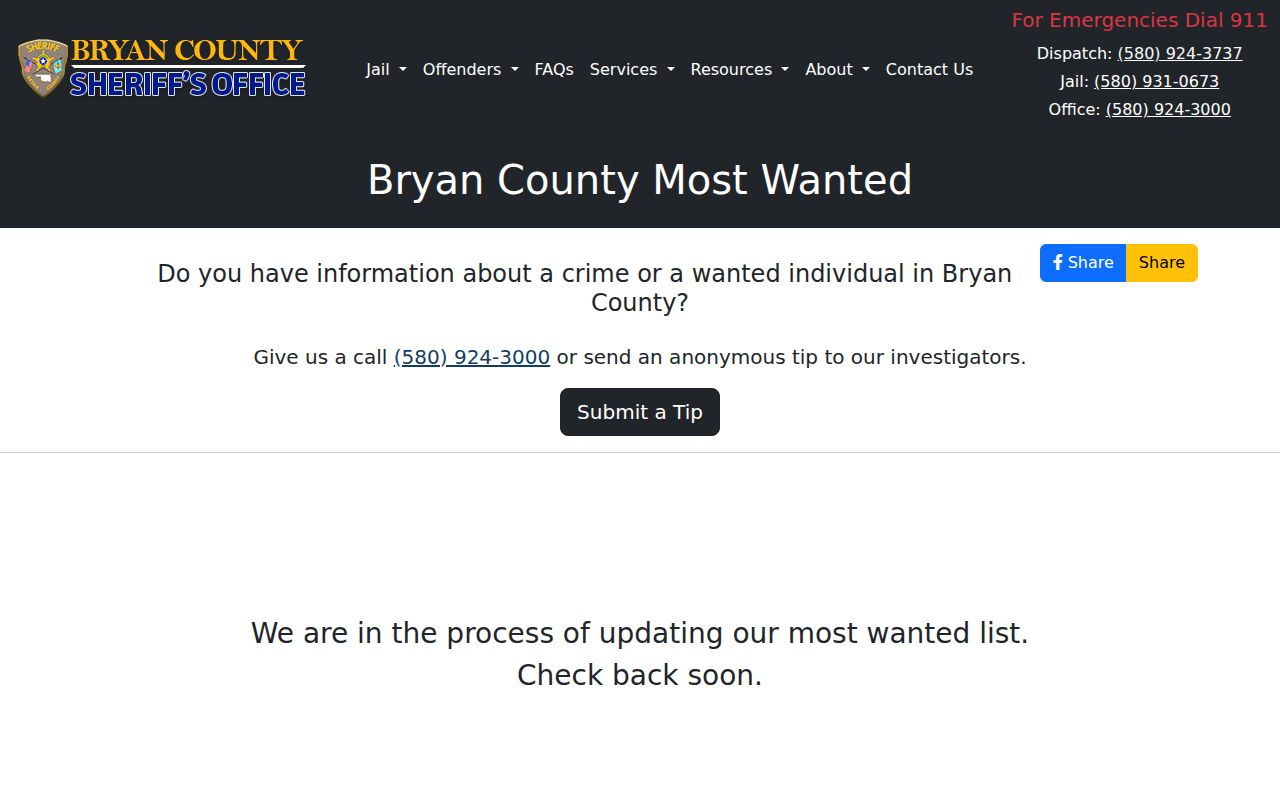
The warning makes the image useful as a limit, not as proof of an active warrant.
Note: Confirm an absconder or warrant flag with its issuing agency because the public lead may trail the current official record.
Bryan County Parole Hearing Records
The Oklahoma Pardon and Parole Board meeting page publishes an annual calendar and monthly materials. Dates, venues, remote access, and submission deadlines can change. The Board generally meets each month, but a docket date is only a consideration date. It is not a promised Bryan County release date.
Current dockets and outcome files are organized on the Board's docket-results page. Read the action word with care. A recommendation may still require the Governor. A grant can still precede ODOC release processing. A pass sends the matter to another docket, while a denial is adverse. Board action should be followed by an ODOC custody status or VINE event before calling it a release.
Eligibility must be tied to the sentence, offense, and applicable version of Oklahoma law. Section 332.7 of Title 57 governs parole eligibility. The offenses specifically listed in 21 O.S. section 13.1 carry an 85 percent floor before parole consideration. A broad label such as violent does not replace the statutory list.
The Board's official overview identifies the agency responsible for parole consideration.
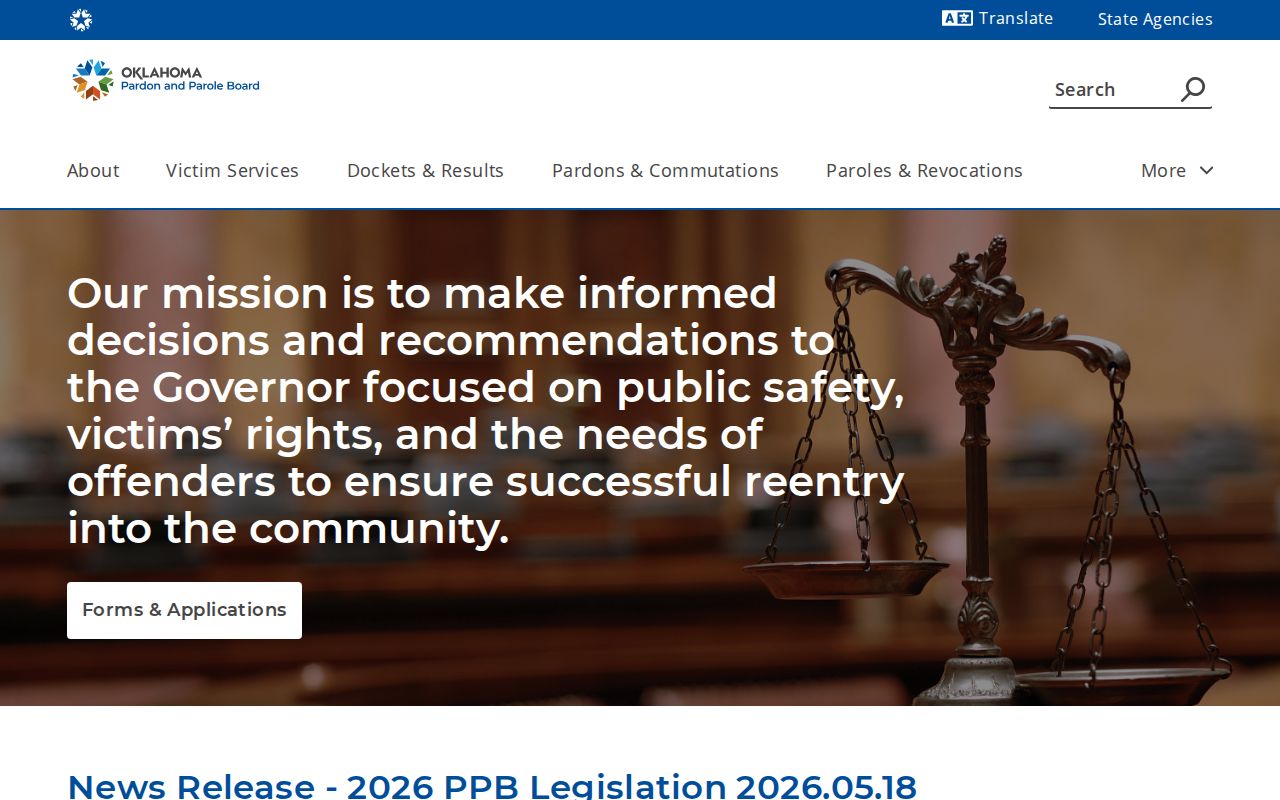
The board page supplies the decision channel, while ODOC supplies the later custody and supervision record.
How Bryan County Supervision Ends
Supervision ends through an official discharge, sentence completion, court action, or other authority shown in the controlling record. A person being out of prison is not the same as being discharged. A parolee can remain under ODOC rules for the balance of the term. Probation can remain open after a jail component is complete, and a deferred case can have later disposition treatment without erasing the arrest record.
Use the ODOC status history for a state supervision end and the Bryan County court docket for a probation judgment, completion entry, or discharge order. The Court Clerk permanently maintains district-court proceedings. If an exact or certified document is needed, request it by case number instead of relying on a search-result summary.
Expungement is different from discharge. Oklahoma eligibility under 22 O.S. sections 18 and 19 is category-specific. A qualifying deferred-sentence disposition under section 991(c) has a more limited effect and does not itself remove the arrest record. Neither outcome should be inferred from a supervision end date.
A final check should preserve the complete chain: the judgment that imposed the term, the ODOC record that identifies the public status, and the discharge or court entry that ended it. Write down the record date. A later arrest or return to custody can make an older status accurate for its date but wrong for the present.
Note: Save the agency, exact status wording, and retrieval date because supervision can change after a public record is checked.